Mindfulness for Mental Health

Mindfulness and Meditation in Psychiatric Practice

Welcome to my blog. As a psychiatrist, I have spent years working with the complexities of the human mind. For a long time, the standard approach to mental health focused heavily on diagnosing a condition and finding the right medication to manage it. While medication is a vital tool that saves lives, I have found that true healing often requires a broader approach. This is where the ancient practice of mindfulness meets modern medical science. In my practice, I have seen a significant shift in how we understand mental wellness. We are moving away from viewing the brain as a static organ and toward understanding it as something that can change and grow. Today, I want to explore a concept that is very close to my heart and central to my work: Mindfulness Based Psychiatry. It is an exciting field that empowers you to take an active role in your


Read More »
agoraphobia

Agoraphobia Treatment: Stepping Back into the World

Imagine standing at your front door, hand on the knob, heart racing in your chest. Your mind starts spinning with “what if” questions. What if I have a panic attack in the grocery store? What if I get trapped in traffic? What if I can’t escape? For many people, this isn’t just a fleeting worry—it is a daily reality. As a mental health professional, I have worked with countless individuals who feel like their world has shrunk down to the size of their bedroom. I want to start by telling you something very important: You are not alone, and this condition does not define you. Agoraphobia is a complex anxiety disorder, but it is also highly treatable. I have witnessed patients go from being housebound to traveling the world. The journey back into the world is not a sprint; it is a series of small, courageous steps. In this guide,

Read More »
Failure to Launch Syndrome

Handling “Failure to Launch” Syndrome in Young Adults

As a mental health professional, I often sit across from brilliant, capable young people who feel stuck. They have finished high school or even college, yet they find themselves paralyzed at the threshold of adulthood. This phenomenon is often referred to in pop culture as “Failure to Launch” syndrome. While it isn’t an official clinical diagnosis found in medical textbooks, the pain and frustration it causes families are very real. In my practice as a Young Adult Psychiatrist Beverly Hills families rely on, I have seen a significant increase in this struggle. Parents are worried, and young adults are struggling with shame. The good news is that this “stuckness” is not permanent. With the right understanding and strategies, we can turn this stalled engine into a successful journey toward independence. Defining the “Failure to Launch” Phenomenon When we talk about “Failure to Launch,” we are describing a young adult who

Read More »
Psychological Testing for Kids

Psychological Testing: What It Reveals About Your Child

As parents, we often wish our children came with an instruction manual. We watch them grow, struggle, and succeed, but sometimes we hit a wall where we just can’t figure out why they are facing certain challenges. Maybe your child studies for hours but still struggles on tests, or perhaps they have emotional outbursts that seem to come out of nowhere. As Dr. Peyman Tashkandi, I see these scenarios in my practice every day. I understand the anxiety and the burning desire to simply help your child thrive. This is where psychological testing comes into play. It is not about labeling your child or finding out what is “wrong” with them. Instead, it is about discovering what is right with them and identifying the barriers getting in their way. It is the closest thing we have to that missing instruction manual. In this article, I want to walk you through

Read More »
lgbt mental health

Mental Health Support for LGBTQ+ Youth in Beverly Hills

Growing up is a journey filled with discoveries, challenges, and profound changes. For young people in Beverly Hills, this journey often takes place against a backdrop of high academic standards, intense social schedules, and a community that strives for excellence. However, for youth exploring their gender identity or sexual orientation, the path can feel a bit more complicated. As a mental health professional, I have seen firsthand how vital it is to provide specialized, compassionate care to this demographic. Creating a safe space where young people feel seen and heard is not just my job; it is a commitment to the future wellness of our community. When we talk about mental health, we often focus on fixing problems. But when it comes to supporting LGBTQ+ youth, the focus must shift toward building resilience and celebrating identity. Navigating the world as a teenager is hard enough without the added layer of

Read More »
Anxiety

Panic Disorder vs. General Anxiety: Getting the Right Diagnosis

As a mental health professional, I talk to people every single day who feel like they are losing control. It is a terrifying feeling, and if you are reading this, you or someone you love might be going through the exact same thing. You might feel your heart racing out of nowhere, or perhaps you just can’t turn off the constant “what if” thoughts running through your head. The big question I often hear is: “Is this just stress, is it general anxiety, or is it a panic attack?” Understanding the difference between Generalized Anxiety Disorder (GAD) and Panic Disorder is the most important step toward feeling better. While they share some similarities, they are distinct conditions that often require different approaches. In my practice, getting the diagnosis right is the foundation of recovery. I want to walk you through these differences, explain why they happen, and show you how

Read More »
bullying

The Psychology of Bullying: Support for Victims and Bullies

As Dr. Peyman Tashkandi, I have sat across from many families who feel hopeless, confused, and heartbroken by the effects of bullying. Whether a parent is worried about a child who is being targeted or concerned about a child who is acting out aggressively, the emotions are intense. In my practice, I have learned that bullying is rarely a black-and-white issue. It is a complex psychological dance that involves deep-seated emotions, social dynamics, and learned behaviors. To truly solve this problem, we cannot just punish the bad behavior and comfort the victim. We must look at the psychology behind the actions. We need to understand what drives a child to bully and what happens inside the mind of the child being bullied. By taking a compassionate, psychological approach, we can turn a painful situation into an opportunity for growth and emotional maturity. This is where professional guidance and structured interventions,

Read More »
borderline

Borderline Personality Disorder: Hope and Healing

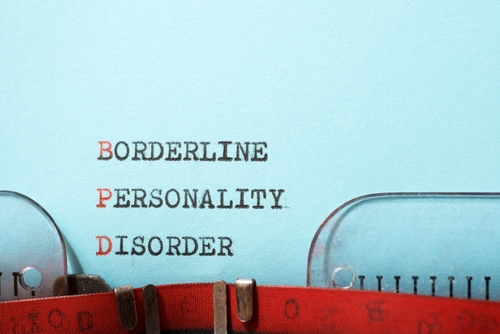
In my practice, I often meet individuals who feel like they are navigating life without a roadmap. They describe their emotions as a rollercoaster that they can’t seem to get off, or they talk about the intense pain of feeling abandoned, even when their loved ones are right there beside them. If this sounds familiar to you, or if it sounds like someone you love, I want you to know two very important things right away: You are not alone, and there is absolutely hope. My name is Dr. Peyman Tashkandi, and I have dedicated my career to understanding the complexities of the human mind. One of the most misunderstood and stigmatized conditions I treat is Borderline Personality Disorder (BPD). While the internet is full of scary statistics and confusing jargon, the reality of BPD is much more human. It is a condition of immense emotional pain, but it is

Read More »
nutritional supplements

Nutritional Supplements for Mental Health: What Works?

Hello, and welcome. I am Dr. Peyman Tashkandi. As a physician dedicated to mental wellness, I often see patients who feel stuck. They might be taking medication or going to therapy, but they still feel like a piece of the puzzle is missing. They often ask me, “Doctor, is there anything natural I can do to help my brain?” The answer is a resounding yes. While medication and therapy are vital tools, what we put into our bodies plays a massive role in how our minds function. This is the core of Integrative Psychiatry Supplements. It is about looking at the whole person—your biology, your lifestyle, and your nutrition—to create a balanced path toward better mental health. In this guide, I want to walk you through the nutritional supplements that actually have science behind them. There is a lot of noise on the internet, and it can be confusing. My

Read More »
First Psychiatrist Visit

How to Prepare for Your First Psychiatric Appointment

Making the decision to seek help for your mental health is a brave and significant step. As a psychiatrist, I see patients every day who walk through my doors feeling a mix of hope and nervousness. It is completely normal to feel a little anxious about your first visit. You might not know what to say, what will happen, or how it differs from a regular doctor’s visit. My goal today is to demystify this process for you. When you prepare well, you empower yourself. You turn the unknown into a structured plan. Whether you are coming in for general anxiety, depression, or simply to get a better understanding of your mental well-being, preparation ensures we can make the most of our time together. If you have booked a Psychiatric Consultation Beverly Hills, or are planning to, this guide will help you feel ready, confident, and heard. Understanding the Goal

Read More »
Psychotherapist

Men’s Mental Health: Breaking the Stigma of Seeking Help

We have all heard phrases like “man up” or “boys don’t cry” at some point in our lives. From a young age, many of us are taught that showing emotion is a sign of weakness. We learn to bottle up our feelings, push through the pain, and handle our problems on our own. But as a doctor who has spent years working with men, I can tell you that this mindset is not just outdated; it is dangerous. Mental health is just as real and important as physical health. If you broke your leg, you wouldn’t try to walk it off. You would go to a doctor. Yet, when it comes to our minds, we often hesitate. We worry about what others will think or fear that asking for help means we have failed. Today, I want to talk about why breaking this stigma is crucial and how seeking support

Read More »
Teen Substance Abuse

Substance Use vs. Experimentation in Beverly Hills Teens

Living and working in Beverly Hills, I often sit across from parents who are holding their breath. They love their children deeply, and they provide them with every possible opportunity, from top-tier education to enriching extracurricular activities. Yet, when they find a vape pen in a backpack or smell alcohol on their teenager’s breath after a party, that world of opportunity suddenly feels very fragile. The question in their eyes is always the same: “Is this just a phase, or are we in trouble?” As a medical professional in this community, I understand that the line between teenage experimentation and actual substance use issues can feel blurry. It is frightening to navigate, especially given the unique pressures our adolescents face in high-achieving environments. My goal is to help you understand what is happening in your teen’s brain, how to spot the difference between curiosity and a developing problem, and how

Read More »
Stress Hurts Physically

Understanding Psychosomatic Pain: When Stress Hurts Physically

Have you ever noticed that your stomach starts to turn in knots right before a big presentation? or maybe you develop a pounding headache after a long, frustrating argument with a partner? If so, you have experienced the undeniable link between your emotions and your physical body. As a medical professional, I see this every day. It is fascinating, but for many people, it can also be confusing and painful. I am Dr. Peyman Tashkandi, and today I want to talk to you about psychosomatic pain. This is a topic that is often misunderstood. Many people hear the word “psychosomatic” and think it means “fake” or “imaginary.” I want to be very clear right from the start: the pain is absolutely real. It is not something you are making up. However, the root cause isn’t a broken bone or a virus; it is the complex way your brain handles stress

Read More »
tantrums

Dealing with Tantrums vs. Emotional Dysregulation

As Dr. Peyman Tashkandi, I have sat across from countless parents who look completely exhausted. They love their children deeply, but they are tired of the screaming, the kicking, and the feeling of walking on eggshells in their own homes. Usually, the conversation starts the same way. A parent will say, “My child throws the worst tantrums. I’ve tried time-outs, I’ve tried taking away iPads, but nothing works. It just gets worse.” I always listen carefully, but then I have to ask the most important question of the intake process: “Are we looking at a tantrum, or are we looking at emotional dysregulation?” To the untrained eye, a child screaming on the floor looks the same regardless of the cause. However, understanding the difference between a willful tantrum and genuine emotional dysregulation is the key to unlocking peace in your home. If we treat a meltdown like a behavioral problem,

Read More »
Psychotherapist

The Danger of Self-Diagnosing Mental Illness on TikTok

We have all been there. It’s late at night, and you are lying in bed, the blue light of your phone illuminating the room. You tell yourself, “Just five more minutes,” but an hour later, you are still scrolling through your “For You” page on TikTok. Suddenly, a video pops up. A creator looks directly into the camera and lists five specific behaviors: spacing out during conversations, tapping your foot constantly, forgetting where you put your keys, feeling overwhelmed by loud noises, and procrastinating until the last minute. The caption reads: “Signs you might have high-functioning ADHD.” You pause. You do every single one of those things. In fact, you did three of them today. You click on the comments, and thousands of people are saying, “Wait, this is me,” or “I thought everyone did this!” Suddenly, a sense of relief washes over you. Finally, there is a name for

Read More »
separation anxiety

Separation Anxiety in Older Children and Teens

In my practice, I frequently meet parents who are confused and worried. They often tell me, “Dr. Tashkandi, my child was fine in elementary school, but now that they are in high school, they panic whenever I leave the house.” It is a common misconception that separation anxiety is strictly a toddler issue. While we expect tears on the first day of kindergarten, we are often blindsided when a 14-year-old refuses to go to a sleepover or text messages us fifty times a day. I want to reassure you right from the start: what you are observing is real, it is valid, and most importantly, it is treatable. Separation Anxiety Disorder (SAD) can persist into or re-emerge during adolescence. The biological and social changes happening during the teenage years are intense, and sometimes, the brain reacts by clinging to safety—which usually means clinging to parents. In this guide, I will

Read More »
Bipolar Treatment

Managing Bipolar Disorder Without Losing Your Creativity

As a psychiatrist, one of the most common fears I hear when a new patient sits in my chair isn’t about the diagnosis itself. It isn’t even about the stigma. The deepest, most heartfelt worry comes from my patients who are artists, writers, musicians, and entrepreneurs. They look at me and ask, “Dr. Tashkandi, if I take medication, will I lose my spark? Will I stop being creative?” I understand this fear completely. For centuries, we have romanticized the idea of the “tortured artist.” We look at figures like Vincent van Gogh, Ernest Hemingway, or Sylvia Plath, and we assume that their mental health struggles were the fuel for their genius. It is easy to believe that the high energy of mania is necessary for creating a masterpiece. However, I want to tell you something that I have seen proven time and time again in my practice: You do not

Read More »
ADHD

Identifying Learning Disabilities vs. ADHD in School-Aged Kids

As a professional in the field of psychology, I have sat across from countless concerned parents who all share a similar story. They tell me their child is bright, curious, and capable, yet for some reason, they are hitting a wall at school. The report cards come back with comments like “needs to focus more” or “not working to potential.” At home, homework time turns into a nightly battle of tears and frustration. As a parent, you know something is getting in the way, but you can’t quite put your finger on it. Is it an attention issue? Is it a learning gap? Or is it both? One of the most common puzzles I help families solve is distinguishing between Attention-Deficit/Hyperactivity Disorder (ADHD) and Learning Disabilities (LDs). While they are distinct conditions, they often look remarkably similar in a classroom setting. Furthermore, they frequently travel together. Understanding the nuance between

Read More »
pills

Medication vs. Therapy for Depression: Which is Right for You?

Deciding to seek help for your mental health is one of the bravest steps you can take. However, once you make that choice, you are often met with a confusing fork in the road. Should you sit on a couch and talk about your feelings, or should you take a pill to balance your brain chemistry? This is the classic debate of medication versus therapy. As a Depression Psychiatrist in Beverly Hills, I face this question almost every day. My patients come to me feeling overwhelmed, tired, and unsure of which path will lead them back to happiness. The truth is, there isn’t a single right answer that applies to everyone. Your mental health journey is as unique as your fingerprint. In this guide, I want to walk you through the benefits and drawbacks of both options. My goal is to help you understand what is happening inside your brain

Read More »
Family Therapy

The Benefits of Family Therapy for Adolescent Behavioral Issues

As a mental health professional who has spent years working with families, I have seen firsthand how challenging the teenage years can be. One day, your child is asking you for help with their homework, and the next, it feels like you are living with a stranger who speaks a different language. If you are reading this, you might be feeling frustrated, worried, or even a little hopeless about the changes you see in your adolescent. I want you to know that you are not alone. Adolescent behavioral issues are one of the most common reasons parents reach out to my practice. Whether it is sudden aggression, withdrawal from family activities, a drop in grades, or risky behaviors, these actions are often a cry for help. As Dr. Peyman Tashkandi, I approach these situations with compassion and science. I believe that the most effective way to help a struggling teen

Read More »