As a parent, few things matter more than the mental health and wellbeing of your child. I’ve spent years working with families who come to me with concerns, questions, and sometimes fears about their child’s emotional and behavioral health. Today, I want to share what I’ve learned about pediatric psychiatry in a way that makes sense and helps you feel more confident as you support your child’s journey.
What Is Pediatric Psychiatry and Why Does It Matter?
Pediatric psychiatry is a specialized field of medicine focused on diagnosing and treating mental health conditions in children and adolescents. Think of it as the bridge between understanding how young minds develop and providing the right support when challenges arise.
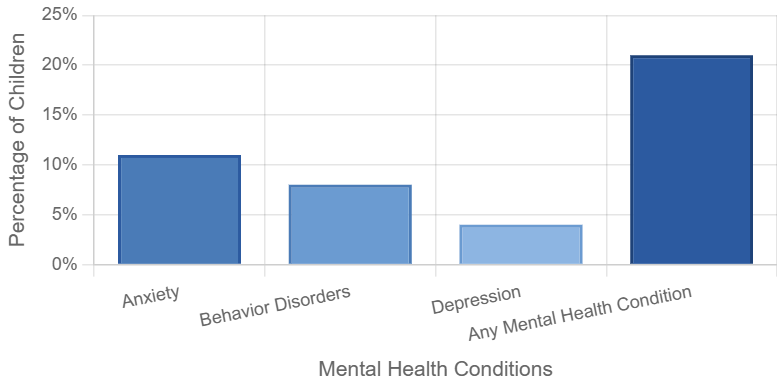
The numbers tell an important story. Recent data shows that approximately one in five children between ages 3 and 17 has been diagnosed with a mental, emotional, or behavioral health condition at some point in their lives. That’s roughly 20 percent of all children in the United States. More specifically, about 11 percent of children currently have diagnosed anxiety, 8 percent have behavior disorders, and 4 percent have depression.
These statistics aren’t meant to alarm you. Instead, they show that if your child is struggling, you are far from alone. Mental health challenges in childhood are common, treatable, and nothing to be ashamed of.
Understanding Common Pediatric Mental Health Conditions
Prevalence of Mental Health Conditions in Children Ages 3-17
Anxiety Disorders
Anxiety is the most common mental health condition I see in my practice. It goes beyond normal worries or fears that kids experience as they grow. Children with anxiety disorders may show excessive worry about school, friendships, family safety, or their own performance. They might complain of stomachaches or headaches, avoid certain situations, or seem overly clingy.
The good news is that anxiety disorders respond well to treatment. Through therapy, coping strategies, and sometimes medication, most children learn to manage their anxiety and thrive.
Behavioral and Conduct Problems
Behavioral disorders include conditions like attention-deficit hyperactivity disorder, oppositional defiant disorder, and conduct disorder. These conditions affect how children control their impulses, follow rules, and interact with others. Boys are diagnosed with behavioral disorders at higher rates than girls, with about 10 percent of males and 5 percent of females currently affected.
Depression
Depression in children looks different than it does in adults. While adults often withdraw and feel sad, children with depression may become irritable, angry, or lose interest in activities they once enjoyed. They might struggle in school, have trouble sleeping, or experience changes in appetite.
Important Finding: Between 2016 and 2023, the rate of diagnosed anxiety increased by 61 percent among adolescents, while depression increased by 45 percent. This upward trend highlights the growing need for mental health awareness and early intervention.
The Science Behind Young Brains: Neuroplasticity
One of the most hopeful aspects of pediatric psychiatry involves understanding how children’s brains develop. The scientific concept of neuroplasticity refers to the brain’s remarkable ability to change and adapt throughout life, especially during childhood.
Here’s a fascinating fact: a baby’s brain develops about one million new neural connections every single second during the first years of life. This incredible growth means that early experiences literally shape how the brain is wired. When children learn new skills, form relationships, or overcome challenges, they’re actually creating and strengthening neural pathways in their brains.
This plasticity is why early intervention matters so much. When we identify and treat mental health concerns early, we’re working with a brain that’s primed to learn, adapt, and heal. The neural connections that form during childhood create the foundation for emotional regulation, social skills, and mental health throughout life.
Recognizing When Your Child Needs Help
As parents, you know your child better than anyone else. Trust your instincts. That said, here are some signs that it might be time to seek professional support:
Watch for persistent changes in behavior that last for weeks or months rather than days. Is your usually social child suddenly withdrawing from friends? Has your energetic daughter lost interest in activities she loved? These sustained changes deserve attention.
Pay attention to how symptoms affect daily life. Every child has bad days, but when emotional or behavioral challenges interfere with school performance, friendships, family relationships, or daily routines, it’s time to get help.
Physical complaints without clear medical causes can signal mental health concerns. Recurring headaches, stomachaches, or other unexplained symptoms often accompany anxiety or depression in children.
Extreme reactions or intense emotions that seem out of proportion to the situation may indicate an underlying condition. This includes excessive worry, prolonged tantrums in older children, or rage that seems uncontrollable.
What to Expect When You Visit a Pediatric Psychiatrist
I want to demystify what happens when you bring your child to see someone like me. The first visit usually involves a comprehensive evaluation where I’ll talk with both you and your child. We’ll discuss developmental history, current symptoms, family background, school performance, and social relationships.
I’ll ask detailed questions that might seem personal, but they help me understand the full picture of your child’s life. I’m looking at biological factors, psychological patterns, and social influences that might be affecting your child’s mental health.
Based on this evaluation, we’ll develop a treatment plan together. This plan might include therapy, lifestyle changes, school accommodations, parent training, or medication. The goal is always to use the least invasive, most effective interventions first.
Treatment Options That Work
Psychotherapy
Therapy gives children tools to understand and manage their emotions. Cognitive behavioral therapy teaches kids to recognize unhelpful thought patterns and develop healthier ways of thinking. Play therapy helps younger children express feelings they don’t yet have words for. Family therapy addresses how family dynamics affect a child’s mental health.
Medication
When appropriate, medication can be life-changing for children with mental health conditions. I always weigh the benefits against potential risks and start with the lowest effective dose. According to recent data, about 8 percent of children ages 5 to 17 currently take medication for their mental health. Medication works best when combined with therapy and other supports.
School and Home Interventions
Creating supportive environments at school and home makes a huge difference. This might include accommodations like extra time on tests, a quiet space for breaks, or modified homework assignments. At home, consistent routines, clear expectations, and positive reinforcement help children feel secure and succeed.
The Challenge of Accessing Care
I need to be honest about a difficult reality. While about 80 percent of adolescents with diagnosed mental health conditions do receive needed treatment, approximately 61 percent of families report difficulty getting that care. Long wait times, insurance limitations, shortage of providers, and stigma all create barriers.
If you’re struggling to access care, don’t give up. Contact your child’s pediatrician for referrals. Check with your insurance company about covered providers. Look into school-based mental health services. Consider telehealth options that have expanded in recent years. Organizations like the Centers for Disease Control and Prevention and the National Institute of Mental Health offer resources and information for families.
Your Role as a Parent
You are the most important person in your child’s mental health journey. Your love, support, and advocacy matter more than any intervention I can provide. Here’s how you can help:
Create an environment where feelings can be discussed openly. When children know it’s safe to talk about emotions, they’re more likely to ask for help when they need it. Model healthy coping strategies yourself. Children learn by watching how adults handle stress and emotions.
Stay connected with your child through regular one-on-one time. Even 15 minutes of focused attention each day strengthens your relationship and helps you notice when something seems off. Maintain healthy routines around sleep, nutrition, and physical activity. These basics support mental health in powerful ways.
Educate yourself about your child’s condition if they’re diagnosed. Understanding what they’re experiencing helps you respond with patience and appropriate support. Connect with other parents facing similar challenges. Support groups provide practical advice and emotional encouragement.
Looking Toward the Future with Hope
The field of pediatric psychiatry has advanced tremendously in recent years. We understand more about how children’s brains develop, how mental health conditions emerge, and what treatments work best. Research continues to improve our ability to help children thrive.
Remember that mental health exists on a spectrum. Having a diagnosis doesn’t define your child or limit their potential. With proper support, most children with mental health conditions go on to lead happy, successful lives. They develop resilience, self-awareness, and coping skills that serve them well into adulthood.
Taking the step to learn about pediatric psychiatry shows your commitment to your child’s wellbeing. Whether you’re dealing with current concerns or simply want to be prepared, knowledge empowers you to make informed decisions and seek help when needed.
If you have concerns about your child’s mental health, please don’t wait. Early intervention makes a real difference. Reach out to a qualified professional who can evaluate your child and guide you toward the right support. Your child deserves to feel good, and you deserve support as you help them get there.
Mental health is just as important as physical health. By staying informed, remaining observant, and seeking help when needed, you give your child the best chance at a bright, healthy future. I’m honored to be part of that journey with families every day.Print This Article